
How to Build Elite Ultimate Frisbee Conditioning Without Burning Out

Most ultimate players train too hard in the wrong ways and not hard enough in the right ones. They run endless laps, crush random workouts, and wonder why they’re gassed by halftime or nursing the same hamstring tweak all season.
If you want to last deep into tournaments and still have your legs in universe point, you need conditioning that actually matches the demands of ultimate—short bursts, repeated efforts, sharp cuts, and fast recovery.

The Real Energy Demands of Ultimate Frisbee
Ultimate isn’t a jog. It’s not even a sprint sport in the traditional sense. It’s a repeated sprint sport with chaotic movement patterns layered on top.
One point might demand 20–40 seconds of explosive cutting, followed by a short rest, then right back into it. Over a full game or tournament, that becomes dozens of high-intensity efforts stacked together.
This means your conditioning needs to develop:
- Explosive acceleration for cuts and defensive reactions
- Repeat sprint ability without major drop-off
- Fast recovery between points
- Lateral endurance for constant direction changes
Distance running alone won’t get you there. In fact, too much of it can blunt your explosiveness.

Why Traditional Conditioning Fails Most Players
The classic mistake: players rely on long, steady runs and occasional pickup games to stay “in shape.”
Here’s the problem:
- Long runs train a slow energy system you barely use in games
- They don’t prepare your body for rapid deceleration and cuts
- They don’t improve your ability to repeat max-effort sprints
Worse, overdoing steady-state cardio can leave your legs flat. You show up fit on paper, but your first step is gone.
Elite ultimate conditioning is about intensity and structure—not just volume.

The Core of Elite Conditioning: Repeat Sprint Training
If you only fix one thing, fix this.
Repeat sprint ability (RSA) is what separates players who dominate late in games from those who fade. It’s your ability to sprint hard, recover quickly, and do it again without losing speed.
Simple RSA Workout
- 6–10 sprints of 30–40 meters
- Rest: 20–30 seconds between sprints
- Rest 2–3 minutes between sets
- Complete 2–4 sets
The key: every sprint should be near max effort. If your speed drops significantly, you’ve either done too many reps or need more rest.
This type of training directly mirrors the rhythm of ultimate points.

Agility and Change of Direction: Where Games Are Won
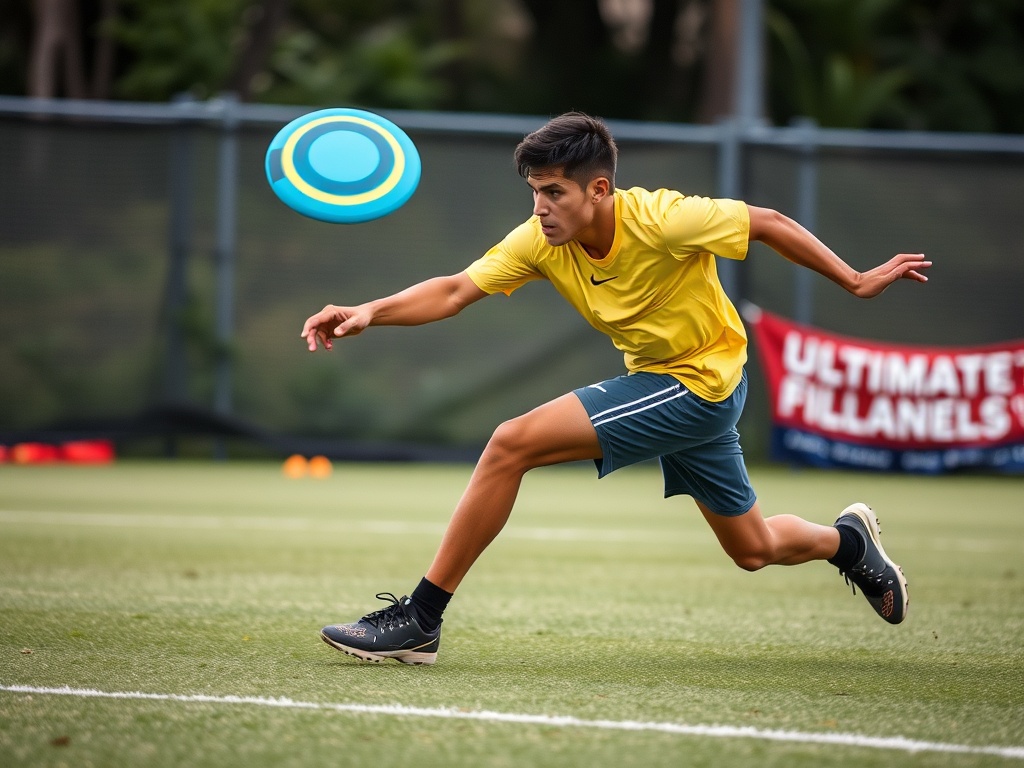
Speed in a straight line is useful. But ultimate is won with cuts, fakes, and rapid direction changes.
You need to train your body to:
- Decelerate under control
- Explode out of cuts
- Maintain balance at high speed
Go-To Agility Drill
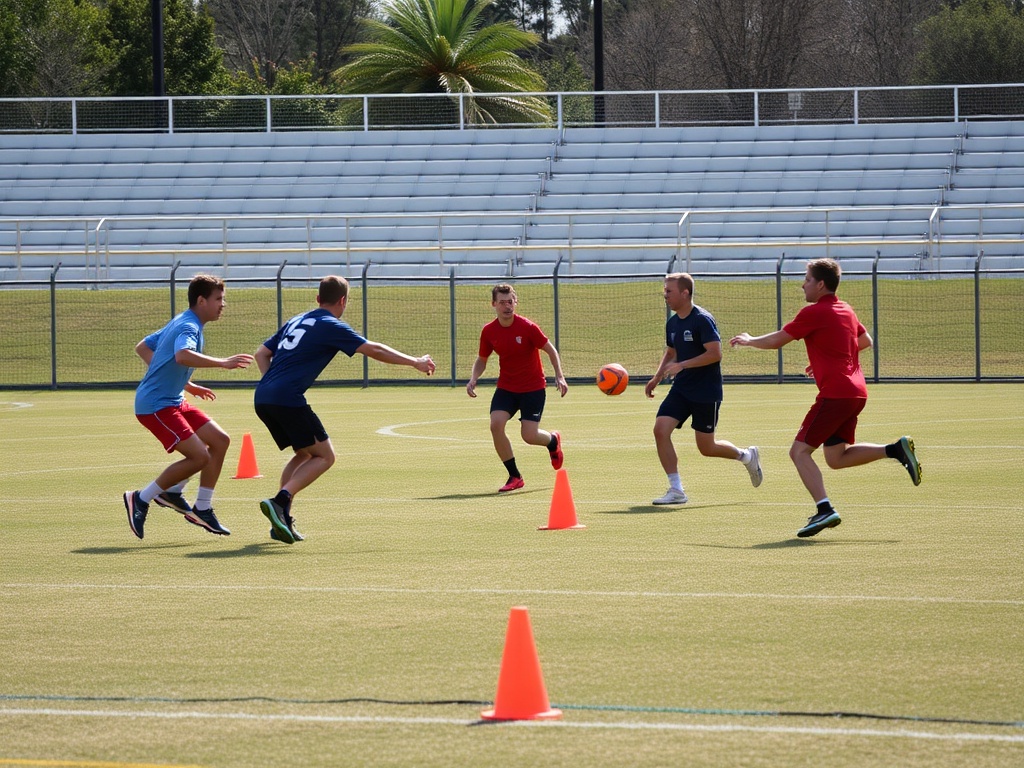
- Set up 3 cones in a triangle (5–10 meters apart)
- Sprint to one cone, plant, cut to the next
- Continue for 20–30 seconds
- Rest 60–90 seconds
- Repeat 4–6 times
Focus on sharp, controlled footwork—not just speed. Sloppy reps build bad habits and increase injury risk.
Building a Weekly Conditioning Structure
Random workouts won’t get you consistent results. You need a simple structure that balances intensity and recovery.
Example Weekly Plan
- Day 1: Repeat sprint workout (RSA focus)
- Day 2: Light recovery or mobility work
- Day 3: Agility + short sprint work
- Day 4: Rest or low-intensity movement
- Day 5: Mixed conditioning (shuttles, game-like drills)
- Day 6: Pickup or scrimmage
- Day 7: Full rest
This structure keeps intensity high where it matters and prevents burnout.
The Most Overlooked Factor: Recovery Between Efforts
Conditioning isn’t just about how hard you go—it’s about how quickly you recover.
Two players might sprint equally fast. The one who recovers faster will dominate over the course of a game.
To improve recovery:
- Train with incomplete rest (like RSA workouts)
- Stay hydrated during sessions
- Build a base level of aerobic fitness (but don’t overdo it)
Think of recovery as a skill you can train, not just something that happens automatically.

How to Avoid Burnout and Injury
Ultimate players love to push hard. That’s great—until it backfires.
The biggest mistakes:
- Stacking too many high-intensity days in a row
- Ignoring early signs of fatigue or tightness
- Skipping proper warm-ups
Smart conditioning includes:
- A dynamic warm-up before every session
- Gradual increases in volume and intensity
- At least 1–2 true rest days per week
If your performance is dropping session to session, that’s not toughness—that’s poor programming.
What Elite Players Do Differently
The best players aren’t just working harder—they’re working with purpose.
They:
- Prioritize quality over quantity in conditioning
- Train specifically for game demands
- Respect recovery as much as effort
- Stay consistent instead of going all-in sporadically
You don’t need a complicated program. You need the right focus, repeated week after week.
Build your conditioning around how ultimate is actually played, and you’ll notice the difference quickly—more explosive cuts, better defense, and the ability to keep pushing when others are fading.